IWSC No, Low & Mid-Strength Judging 2026: highlights
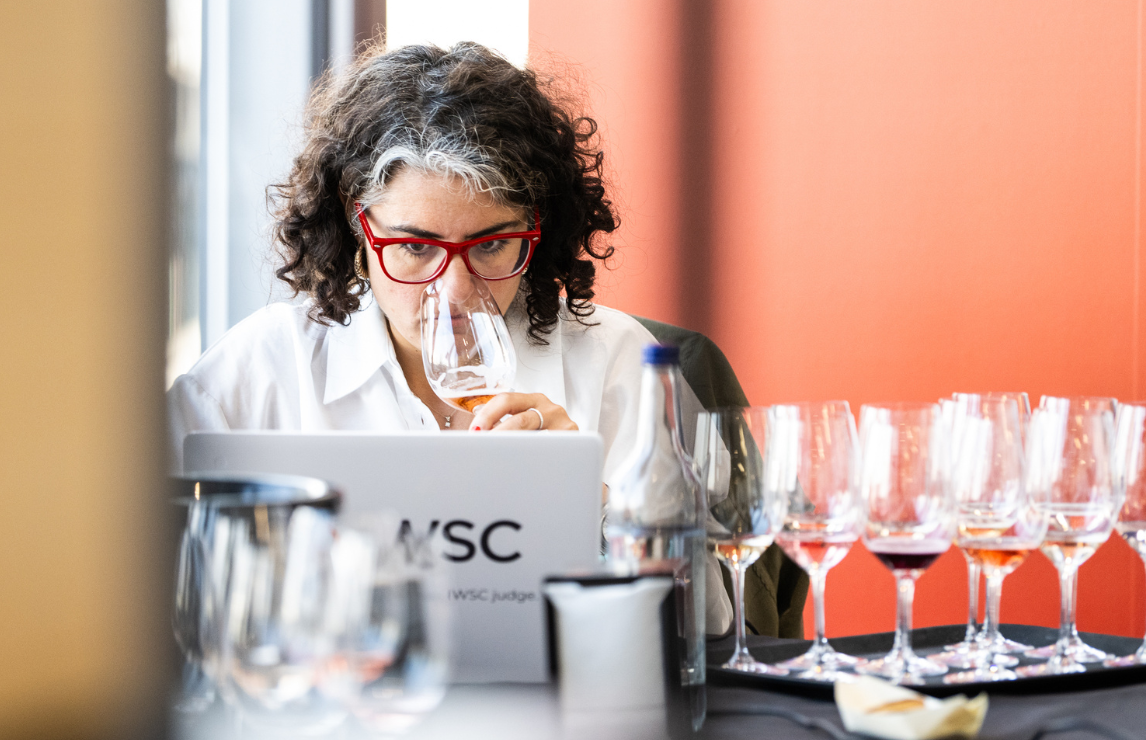
The IWSC 2026 London Judging marked a landmark year for No, Low and Mid-strength drinks, with dedicated panels uncovering an exceptional number of medal winners alongside clear evidence of a category entering a new phase of confidence and refinement, no longer labelled as simply 'emerging'.
For the first time in IWSC history, 2026 featured a dedicated judging day solely focused on No, Low and Mid-strength drinks. Panels were made up of category specialists, leading sommeliers and buyers from major importers, reflecting both the growing commercial importance and increasing sophistication of the sector. Across spirits, RTDs, functional drinks and wine, judges consistently highlighted improvements in balance, texture and drinkability, with producers increasingly moving beyond simple imitation towards products with genuine individuality and sense of style.
Spirits move beyond imitation
The strongest-performing categories of the day were the spirit-based entries, where judges found increasing confidence, complexity and stylistic individuality across the flights. From alcohol-free interpretations of classic spirits to entirely new flavour concepts, the overall standard impressed panels throughout the judging.
Renowned No and Low expert Laura Willoughby summed up the feeling in the room: “This year we saw a progression in the spirits, with some real standout products. It’s clear this space is evolving.”
RTDs were among the biggest success stories of the day, securing several high-scoring Gold medals and standing out for creativity and balance. One judge highlighted a particularly memorable entry: “There was a chai-forward soda in one of the RTD categories that really blew me away, and I can’t wait to find out what brand that was.”
Judges also repeatedly noted a move away from overt sweetness, with producers increasingly favouring more savoury, herbal and textural profiles. Millie Gooch, campaigner, writer and founder of Sober Girl Society observed: “There seems to be a trend towards slightly herbier, savoury-style drinks. Perhaps a rejection of the common narrative that all no & low is sugary sweet.”
Panel Chair Claire Warner explained that "This is the first year where I feel like the conversation wasn't about alcohol replacement, but simply this is what's in the glass, this is the flavor. It's more about the ritual and the occasion"
Perhaps most notably, the highest-performing products were often those embracing their own identity rather than attempting to directly replicate full-strength spirits. One aperitif alternative received a rare 100 point score from an individual judge, praised as “well balanced, with a good level of sweetness”, before achieving a final panel score of 97 points - one of the standout results of the entire judging day.
Functional drinks gain credibility
Another major development this year was the rise of functional drinks as a serious quality category rather than simply a trend-led sub-sector. Building on the momentum seen in previous years, judges encountered a growing number of products delivering both functionality and genuine drinking satisfaction.
One Gold medal-winning entry was praised for being “complex with good depth and finish”, while panel chair Camille Vidal highlighted the category as one of the most exciting areas of the day: “Overall we had some lovely products. The functional category was really what stood out for me, some great functional drinks that were very delicious and balanced.”
The judging highlighted that producers are becoming increasingly confident at integrating functional ingredients without sacrificing texture, flavour or balance, a challenge that has historically limited the category.
Wine prioritises freshness and drinkability
A similarly positive story emerged across the No, Low and Mid-strength wine categories, where judges identified noticeable improvements in quality and winemaking approach. Rather than chasing power or intensity, the strongest wines were often those embracing freshness, purity of fruit and drinkability.
Leading No and Low wine expert James Morgan commented that “there is a noticeable improvement in the quality of wines being used, especially in the whites.”
Panel chair and wine buyer Freddy Bulmer further highlighted the stylistic shift emerging across the category: “The best styles were those that were not trying too hard and which managed to maintain purity of fruit and genuine freshness. They weren’t necessarily the most intense or complex, but they were full of life and really enjoyable.”
Fellow panel chair Josh Kelly shared that "Something I noticed is that I didn't use the word confected as much this year as last year, which is brilliant."
The balance of expertise across the panels, combining both wine specialists and No and Low experts, also created lively discussion around newer and less established styles. According to one judge, the wine-based alternatives category generated some of the most debate of the day:
“The two wine-based alternatives at the end of the day caused the most discussion, likely because they are, on one hand, more manipulated and processed, and on top of that there isn’t quite enough context at hand when it comes to benchmarking them.”
One thing was clear this year, the overall direction across both was strong. Across both spirits and wine, producers are increasingly creating No, Low and Mid-strength drinks that succeed on their own terms, with balance, freshness and drinkability now taking precedence over direct replication of traditional alcoholic styles.
Keep up-to-date
Subscribe to receive email updates from IWSC, including newsletters, information about competitions, events, deadlines and awards.