A conversation with Frank Schindler, Director of ProWein Düsseldorf
For the past three decades ProWein has convened thousands of visitors from across the globe in Düsseldorf to exchange with each other and learn about the fascinating world of wine, spirits and alternative drinks. In 2026, ProWein will continue to innovate, featuring new special areas and an optimised trade fair experience that includes an improved hall concept and digital tools to help prepare ahead of time.
It is no secret that the alcohol sector is vastly different today than it was 10, 20, 50 years ago. Amidst a new world order, the threat of climate change, and a generational shift towards more moderate drinking, the sector is having to shift its approach in order to meet changing consumer expectations, and to remain stable amidst a rocky geopolitical situation.
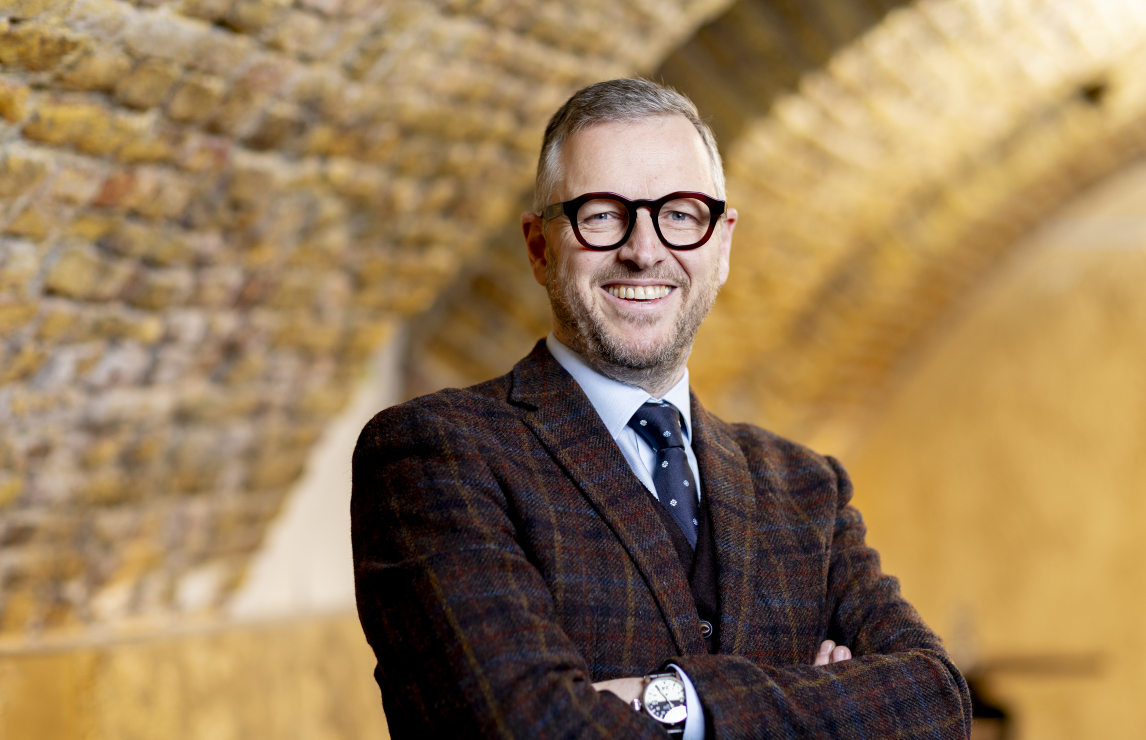
Joining ProWein in 2025, Frank Schindler has been on a mission to ensure that the Düsseldorf edition stays relevant and continues to shift with the times. With years of experience across the alcohol industry under his belt, Frank reveals what we should look out for at this year’s fair and outlines the new features and experiences that help to make it stand out. Read our interview below to learn more.
How is ProWein reflecting with the shifts in the wine market in recent times?
Climatic challenges, geopolitical uncertainty, and shifting consumer expectations are transforming the industry, and we respond by continuously evolving ProWein from a 3-day trade show to a 365 day-platform for orientation, innovation and exchange.
With ProWein 2026 and our guiding principle “Cultivate the visionary in you!”, our team encourages exhibitors and visitors to question established models, explore new paths, and develop sustainable solutions together. Through targeted formats, curated content, and clear thematic focus areas, we ensure that key trends are not only discussed, but experienced – positioning ProWein as a reliable compass for an industry in transition.
With this in mind, what new visitor features and activities have you introduced for 2026?
For ProWein 2026, we have introduced a range of new visitor features designed to improve orientation, efficiency, and the overall experience. A simplified hall concept with a clear country structure reduces walking distances by around 30 percent while maintaining the same exhibitor space as in 2025 and is supported by enhanced digital tools such as the optimized Fair Match matchmaking system. With the new I2A (Insights-to-Action) framework, all exhibitor information is available online. The trade fair thus becomes more digital, more interconnected, and accompanies visitors throughout their entire trade fair journey.
On site, ProWein 2026 sharpens its experiential formats with focused platforms such as ProSpirits, Organic Visions, and Sparkling Visions, each offering curated tastings, and thematic insights. ProWein Agora serves with 42 speakers and 13 hours of contentas the central hub for inspiration and future-oriented dialogue, while ProWein City Vibes extends the trade fair experience into Düsseldorf’s city center, creating additional opportunities for networking and exchange.
What trends have you noticed in the global market that we should all be aware of?
I believe that most players in the wine industry are aware that we are still at a relatively early stage of a comprehensive change process that will continue to gain momentum. As a result, we will see completely new concepts emerge in production, as well as in sales and retail. Increasingly segmented target groups are expecting more tailored communication, which will lead to the creation of new niches. For traditionally successful concepts, however, this also means a need for consistent rethinking and adaptation.
This is clearly reflected in the continuously dynamic growth of the low- and no-alcohol segment. While the overall volume of this segment is still relatively small, it nonetheless confirms the structural shift that is taking shape. At the ProWein Zero Bar in Hall 5, visitors can quickly gain a comprehensive overview of the latest developments in this field. For the first time, non-alcoholic spirits and cocktails will also be available for tasting, demonstrating just how mature this product category has already become. Advances in technology and style have led to products that stand confidently on their own, offering appealing alternatives for people who want to enjoy sophisticated drinks without alcohol.
Has there been a shift in the type, profile or origin of the exhibitors that you think reflects these changes.
Yes and no. Of course, it is noticeable that a great deal is changing stylistically. The trend toward wines with lower alcohol levels and the development in red wines toward less pronounced tannin structures are evident everywhere. This is also about creating a quick, uncomplicated, fruit-driven first encounter with wine in order to appeal to new, younger target groups who have had little or no prior contact with wine. Subjectively, this often still feels like a phase of exploration, in which a path must be found that meets new expectations while at the same time preserving the products’ unique characteristics — truly a challenging task.
Another visible development is the growing presence of producers from cooler and previously unconventional wine regions at ProWein. In cooperation with the Cool Climate Summit, we will showcase an exciting selection of wines from Nordic countries. Climate change is prompting the wine industry to rethink traditional growing regions and production methods. As temperatures rise in many established wine regions, viticulture is expanding northwards. Countries such as Denmark and Sweden, which only a few years ago were considered marginal for quality wine production, are now emerging as small but dynamic cool-climate regions. While production volumes remain limited, the quality, precision, and distinctive styles of these wines are attracting growing international attention.
What makes ProWein different to other wine fairs?
Germany is the world’s largest wine import market and at the same time a respected wine-producing country, creating an ideal environment for international trade and market access. ProWein therefore offers exhibitors and visitors the best possible conditions to do business, build networks, and gain insight into global market dynamics.
For more than 30 years, ProWein has consistently evolved alongside the market, driven by an experienced team and a strong commitment to innovation. This continuity, combined with a constant readiness to develop new concepts and formats, makes ProWein a reliable yet forward-looking business platform for the industry.
Beyond the exhibition halls, ProWein benefits greatly from its host city. Düsseldorf combines a modern, international character with an outstanding gastronomy scene and short distances. As a walkable city, it allows participants to extend the trade fair experience into the evenings. With ProWein City Vibes, the spirit of the fair continues throughout the city, making ProWein not only a place for business, but a comprehensive, immersive industry experience.
Do you have any suggestions on how visitors to the fair can make the most of their time?
We strongly encourage visitors to plan their visit to ProWein in advance in order to make the most of their time at the fair. With the new I2A (Insights-to-Action) Framework, we offer a powerful digital tool that supports visitors before, during, and after the show. It allows them to prepare their individual trade fair journey ahead of time by identifying relevant exhibitors, topics, and events.
During the fair, I2A serves as a practical companion, helping visitors navigate the halls efficiently, manage appointments, and focus on the contacts and content most relevant to their business goals. This structured approach not only saves time, but also increases the quality and effectiveness of meetings.
Learn more about ProWein 2026 here.
Image credits: Andreas Wiese / Messe Düsseldorf
Keep up-to-date
Subscribe to receive email updates from IWSC, including newsletters, information about competitions, events, deadlines and awards.